Choosing the Right Wires for Your Home Projects
Introduction
Selecting the correct wire is crucial for safety and performance in any electrical project. This guide covers the basics of wire types, gauges, and color coding.
Wire Gauge (AWG)
American Wire Gauge (AWG) indicates the wire's diameter. Lower AWG numbers mean thicker wires, which can carry more current.
- 14-gauge: Common for lighting circuits, outlets (15-amp circuits).
- 12-gauge: Used for kitchen, bathroom, and outdoor receptacles (20-amp circuits).
- 10-gauge: For larger appliances like dryers, A/C units (30-amp circuits).
Wire Types
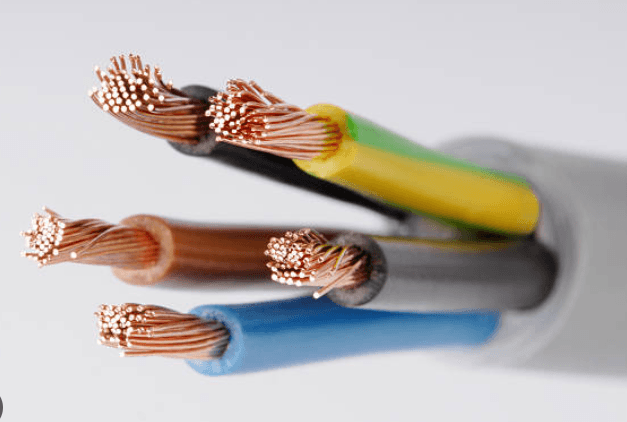
- NM-B (Non-Metallic): Most common for interior residential wiring. Sheathed cable containing multiple conductors.
- UF-B (Underground Feeder): Suitable for direct burial underground, often used for outdoor lighting or detached garages.
- THHN/THWN: Individual insulated conductors, often used inside conduit.
Color Coding
Standard color codes for wires in the US:
- Black/Red: Hot (carries current from the source)
- White: Neutral (returns current to the source)
- Green/Bare Copper: Ground (safety path for fault current)
Always consult local electrical codes and a professional electrician if you are unsure about any aspect of your wiring project.